Creating a relaxing home workspace is essential for maintaining productivity and comfort, especially when more people work remotely. A well-designed space not only helps reduce stress but also promotes focus and creativity. Whether you have a dedicated room or a small corner, these tips will guide you in setting up a workspace that’s both calming and functional.
Why a Relaxing Workspace Matters
A workspace influences how well you work. If your environment feels cluttered or uncomfortable, it can lead to distractions, fatigue, and decreased efficiency. On the other hand, a soothing, organized space helps improve concentration, mood, and even physical health.
Choose the Right Location
Start by selecting a spot in your home that suits your work style.
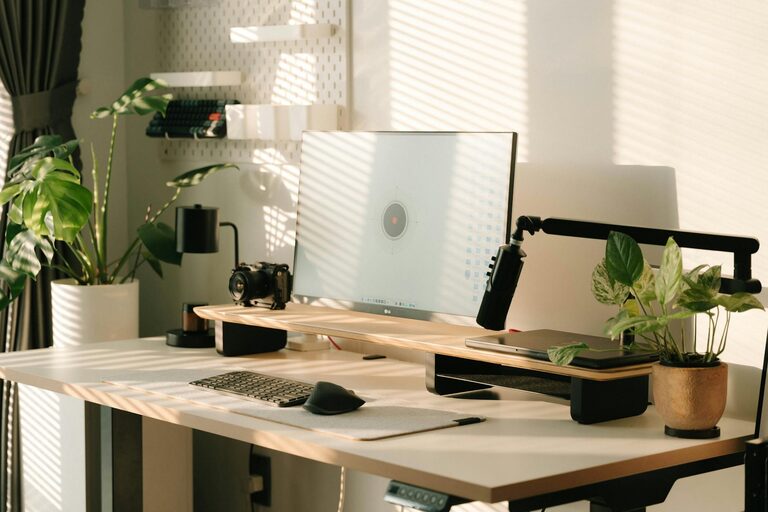
– Natural Light: Try to pick an area with ample natural light. Sunlight boosts mood and energy, making you feel more alert.
– Quiet Area: Choose a quiet corner to reduce noise distractions. If that’s not possible, consider noise-cancelling headphones or white noise machines.
– Space Considerations: Make sure there’s enough room for your desk, chair, and any equipment you use regularly.
Invest in Comfortable Furniture
Ergonomics play a big role in comfort and productivity.
– Chair: Choose a chair with good lumbar support. Adjustable height and armrests help maintain proper posture.
– Desk: Select a desk that fits your needs and space. Standing desks or adjustable desks can encourage movement and reduce stiffness.
– Accessories: Consider a footrest or wrist supports to ease strain and improve comfort over long periods.
Keep It Organized
A cluttered desk can distract and stress you out. Here’s how to stay tidy:
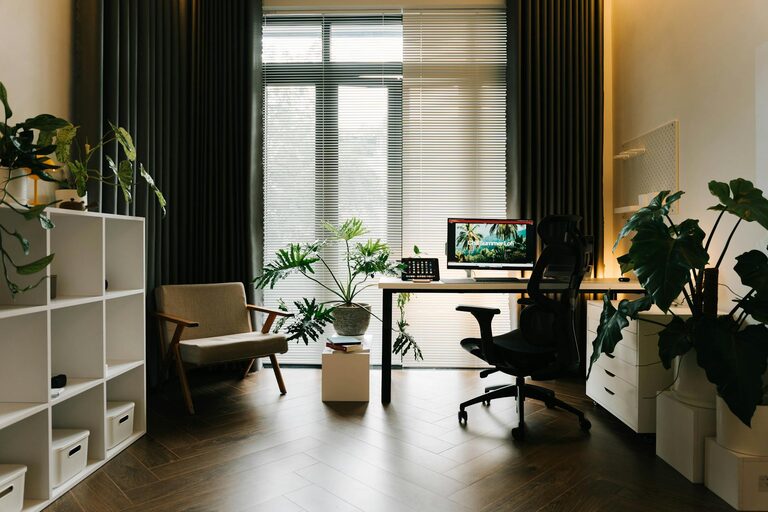
– Use storage boxes, drawer organizers, or shelves to keep supplies in order.
– Only keep essential items on your desk to minimize distractions.
– Develop a daily or weekly routine to tidy your space.
Bring in Soothing Elements
Incorporate relaxing details to make your workspace feel inviting.
– Plants: Adding greenery can reduce stress and improve air quality.
– Colors: Soft, neutral colors like pale blues, greens, or creams create a calming vibe. Avoid overly bright or harsh tones.
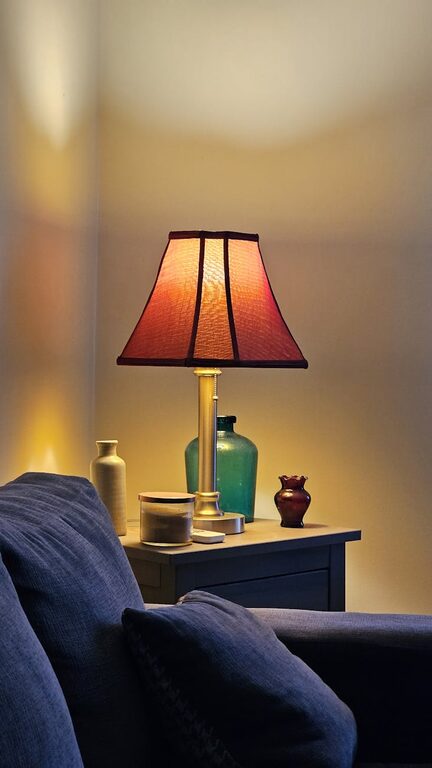
– Lighting: Use adjustable desk lamps for softer light in the evenings. Avoid harsh overhead lighting.
Personalize Your Space
Making your workspace your own can boost motivation.
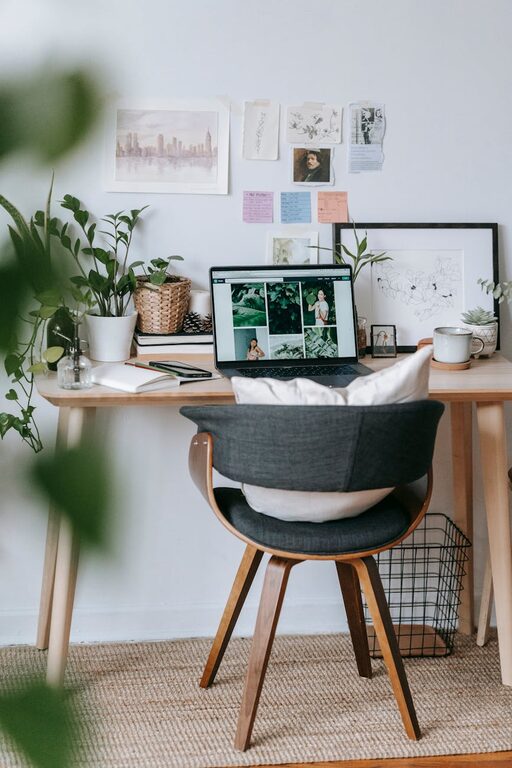
– Display photos or artwork that inspire you.
– Use favorite scents through essential oil diffusers or candles (if safe to do so).
– Play gentle background music if it helps you focus.
Minimize Digital Distractions
Technology is a double-edged sword. To stay on task:
– Turn off non-essential notifications.
– Use apps that block distracting websites during work hours.
– Keep your desktop and digital files organized as well.
Take Regular Breaks
Even the best workspace can’t replace the need for rest.
– Follow the 20-20-20 rule: every 20 minutes, look at something 20 feet away for 20 seconds.
– Stand up, stretch, or do light exercises to help circulation.
– Use breaks to step away from your desk, ideally getting some fresh air.
Maintain Good Air Quality and Temperature
Comfort extends beyond furniture.
– Open windows or use air purifiers to keep air fresh.
– Adjust the thermostat to a comfortable temperature. Usually, 68-72°F (20-22°C) is ideal for most people.
Create a Clear Work-Life Boundary
Since your home workspace is also part of your living space, it’s important to set boundaries.
– Keep work materials contained to your workspace.
– Avoid working in bed or on the couch where you relax.
– Establish set work hours to maintain balance.
Final Thoughts
Crafting a relaxing and productive home workspace takes some thought and effort, but the benefits are worth it. By choosing the right location, investing in comfortable furniture, reducing clutter, and personalizing your space, you can create an environment that supports your work and well-being. Remember to take breaks and maintain healthy habits, so your home office becomes a place you look forward to working in every day.
About the Author