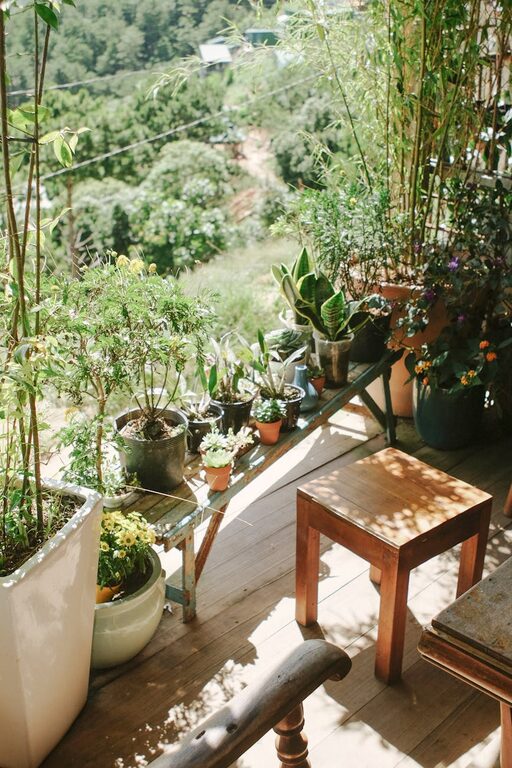
Creating a relaxing home garden space is a wonderful way to bring peace and beauty into your daily life. Whether you have a small balcony or a spacious backyard, a garden designed for relaxation can provide a perfect escape from the stresses of everyday life. In this post, we’ll explore practical tips and creative ideas to help you design a garden oasis where you can unwind, reflect, and enjoy nature.
Why a Relaxing Garden Space Matters
A well-designed garden offers more than just aesthetic appeal. It can promote mental well-being, encourage outdoor activity, and provide a quiet spot for reading, meditation, or spending time with loved ones. The key is designing a space that feels welcoming and calming, tailored to your personal preferences and lifestyle.
Choose the Right Location
Before planting or decorating, consider where your garden will be. Look for a spot that receives an ideal amount of sunlight for your favorite plants and where you can enjoy some privacy. A corner shielded from noisy streets or a secluded patio can create a natural sense of calm.
Tips for selecting your garden location:
– Assess sun exposure to match plant needs.
– Consider proximity to your home for convenience.
– Look for natural windbreaks or shade.
– Use fences, hedges, or trellises for extra privacy.
Incorporate Comfortable Seating
A relaxing garden isn’t complete without a comfortable place to sit. Choose seating that invites you to linger, whether that’s a cozy bench, hammocks, or cushioned chairs. Opt for weather-resistant materials and add soft cushions or pillows to enhance comfort.
Seating ideas for garden comfort:
– Wooden benches with cushions for classic charm.
– Swing chairs or hammocks for gentle movement.
– Low lounge chairs or bean bags for casual relaxation.
– Portable stools or foldable chairs for flexibility.
Use Soothing Colors and Natural Materials
Colors and materials play a big role in setting the mood of your garden. Soft, muted colors like greens, blues, and pastels create a peaceful atmosphere. Natural materials such as wood, stone, and bamboo can add warmth and texture without overwhelming the senses.
How to add calming colors and materials:
– Paint fences or garden walls in soothing shades.
– Use planters made of natural clay or terracotta.
– Incorporate wooden decking or stone stepping paths.
– Add fabric umbrellas or pergolas with light-colored linen.
Select Plants That Promote Relaxation
Plant choices greatly influence the feel of your garden. Include a mix of greenery and flowering plants to add color and life. Herbs like lavender, chamomile, and rosemary not only smell delightful but are known for their calming qualities. Tall grasses or bamboo can create gentle rustling sounds in the breeze, enhancing tranquility.
Recommended relaxing plants:
– Lavender: aromatic and visually calming.
– Ferns: lush, green texture with shade tolerance.
– Jasmine or gardenia: sweet-smelling flowers at night.
– Succulents: low-maintenance plants with interesting shapes.
Create Private, Quiet Corners
Privacy contributes to a sense of security and peace in your garden. Use tall shrubs, climbing vines on trellises, or strategically placed screens to define private zones. These can become your personal hideaway spots for meditation or reading.
Ideas for secluded garden areas:
– Enclosed pergola with climbing plants.
– Tall hedges or bamboo screens.
– Garden nooks with a small water feature.
– Dividing walls or lattice panels with hanging plants.
Add Soothing Water Features
The sound of flowing water is known to reduce stress and mask unwanted noise. Incorporating a water feature such as a small fountain, pond, or birdbath can enhance your garden’s ambiance. Even a simple bowl with floating candles or flowers can add a calming touch.
Water feature options:
– Bubbling stone fountains or wall-mounted waterfalls.
– Small garden ponds with fish or aquatic plants.
– Birdbaths that attract wildlife.
– DIY container water features with pumps.
Include Ambient Lighting
Soft lighting allows you to enjoy your garden in the evening and adds a magical quality to the space. Choose warm, low-intensity lights that don’t create harsh glare. Solar-powered string lights, lanterns, and pathway lamps are easy to install and eco-friendly options.
Lighting suggestions:
– LED string lights along fences or trees.
– Solar stake lights to line walkways.
– Lanterns with candles or battery lights.
– Spotlights to highlight key plants or features.
Keep It Low Maintenance
Maintaining a clean and tidy garden reduces stress and helps keep your space inviting. Choose plants suited to your climate and skill level, and consider automated watering systems or mulch to conserve moisture and reduce weeding. Group plants with similar care needs together for easier maintenance.
Maintenance tips:
– Use drip irrigation or self-watering planters.
– Mulch beds to prevent weeds and retain moisture.
– Regularly trim and prune to keep plants healthy.
– Plan seasonal planting to ensure year-round interest.
Personalize Your Space
Finally, add personal touches that make the garden uniquely yours. These can be decorations like wind chimes, garden statues, or an outdoor rug. Items that evoke happy memories or hobbies can deepen your connection to the space, making it a true refuge.
Ideas for personalization:
– Display favorite potted plants or heirloom flowers.
– Hang wind chimes for gentle sound.
– Place outdoor cushions in your favorite colors.
– Include a small bookshelf or storage for garden tools.
—
Conclusion
Designing a relaxing home garden space is about combining comfort, nature, and thoughtful design. By choosing the right location, comfortable seating, soothing colors, and plants with calming properties, you can create an outdoor retreat tailored to your needs. Remember to incorporate privacy, water features, lighting, and low-maintenance elements to keep your garden a peaceful sanctuary all year round.
Enjoy the process, and your garden will reward you with a quiet haven for relaxation and joy.
About the Author