Creating a home workspace that feels both cozy and productive can make a big difference in your daily routine. Whether you work from home occasionally or full-time, having an area dedicated to your tasks helps you stay organized, focused, and comfortable. In this post, we will explore practical tips to help you design a space that supports your work and well-being.
Choose the Right Spot
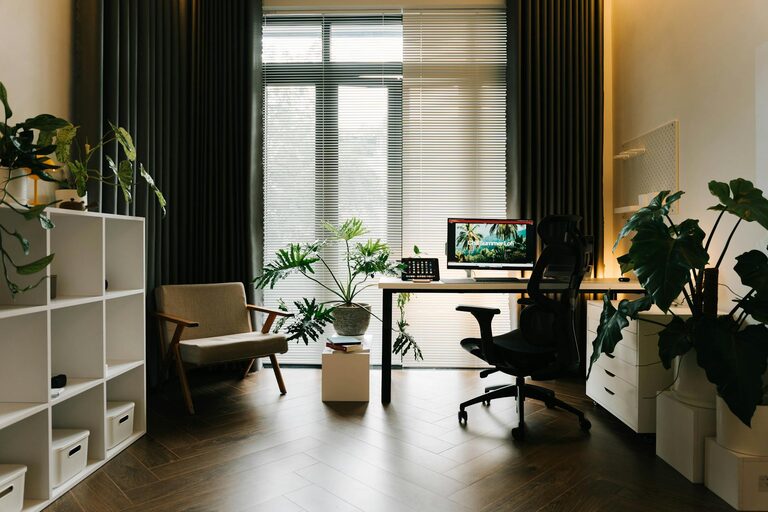
Start by selecting a location in your home that suits your work needs. Ideally, it should be quiet, have good natural light, and be away from heavy foot traffic. Some people prefer a corner of the living room or bedroom, while others might convert a small spare room into an office.
Consider:
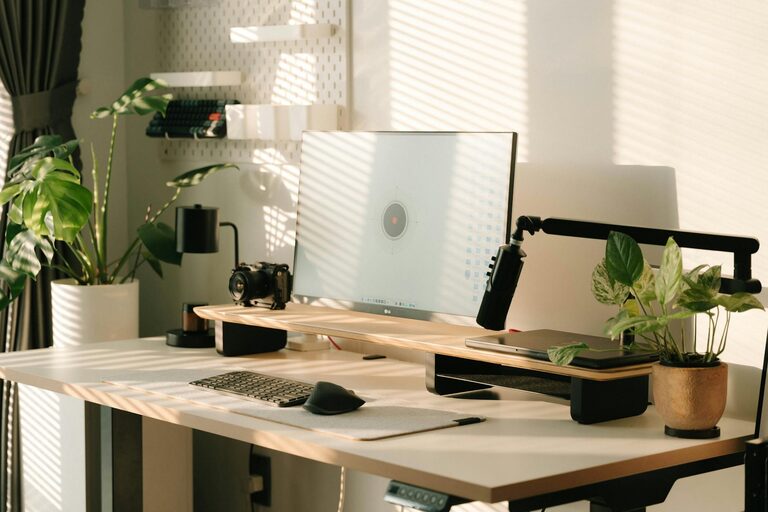
– Natural light: Position your desk near a window to take advantage of daylight, which can improve your mood and energy.
– Privacy: Avoid areas where family members or roommates frequently pass through to minimize distractions.
– Space: Make sure there’s enough room for your desk, chair, and essential equipment.
Invest in Comfortable Furniture
Comfort is key when setting up a workspace because you will spend hours sitting and working. Choose a chair with good lumbar support and an adjustable height. A desk at the right height prevents strain on your shoulders and wrists.
Tips for furniture selection:
– Ergonomic chair: Look for features like adjustable armrests and back support.
– Desk size: Ensure it fits your computer, accessories, and allows for movement.
– Additional furniture: Consider shelves or filing cabinets to keep your space tidy.
Keep It Organized and Decluttered
An organized workspace helps you focus and reduces stress. To maintain order, use storage solutions that work for your style and needs.
Organization ideas:
– Use desk organizers: Containers for pens, papers, and other small items keep clutter off your desk.
– Shelving: Wall-mounted shelves save floor space and provide room for books and decor.
– Cable management: Use clips or sleeves to keep cords neat and out of sight.
– Regular cleaning: Set a weekly schedule to tidy your workspace and file paperwork.
Personalize for Comfort and Inspiration
Adding personal touches makes your workspace inviting and motivates you throughout the day. However, be mindful not to overcrowd the area.
Ways to personalize:
– Plants: Small potted plants or succulents add greenery and improve air quality.
– Artwork: Hang prints, photos, or art that inspires you.
– Comfort items: A soft cushion or cozy throw can make the chair more inviting.
– Aromatherapy: Subtle scents from a diffuser or candle can enhance ambiance but avoid strong smells that may distract.
Optimize Lighting for Productivity
Good lighting reduces eye strain and keeps you alert. Natural light is best, but combining it with proper artificial lighting is essential.
Lighting tips:
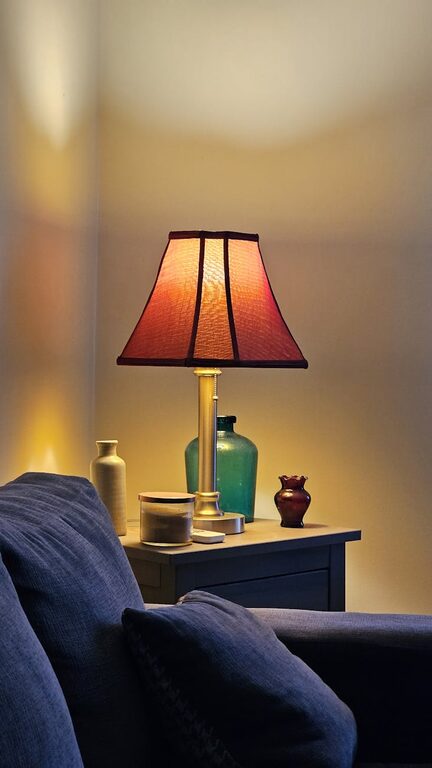
– Task lighting: Use a desk lamp with adjustable brightness to focus light on your work.
– Avoid glare: Position screens and lights to minimize reflections.
– Ambient lighting: Soft overhead lighting complements task lights and keeps the room pleasant.
Minimize Distractions
To stay focused, design your space with minimal distractions in mind.
Strategies:
– Noise control: Use noise-canceling headphones or a white noise machine if background noise is an issue.
– Limit tech distractions: Turn off non-work-related notifications during work hours.
– Define work hours: Set boundaries with family or roommates about your work time.
Keep Technology Efficient but Simple
Your computer and other tech tools should support your work without causing frustration.
Suggestions:
– Reliable equipment: Invest in a good monitor, keyboard, and mouse to ease daily tasks.
– Fast internet: Ensure your connection is stable for video calls or uploading files.
– Backup solutions: Use cloud storage or external drives to protect important documents.
Incorporate Break Areas or Elements
Even within a small space, having a place or items that encourage short breaks can prevent burnout.
Ideas:
– A comfortable chair or cushion for stretching or relaxing.
– A small speaker to play calming music during breaks.
– Access to a window for fresh air and natural views.
Final Thoughts
Designing a cozy and productive home workspace is about balancing comfort, functionality, and your personal style. With thoughtful planning and simple additions, you can create an environment where you feel motivated and supported every workday. Remember that the best workspace is one that works for you—don’t be afraid to adjust and improve it as your needs change. Happy working!
About the Author