Creating a cozy and inviting home workspace is essential for anyone who spends significant time working from home. A comfortable environment can boost your mood, increase productivity, and help maintain a healthy work-life balance. Whether you have a dedicated room or a small corner in your living area, there are many ways to design a workspace that feels welcoming and functional. In this article, we’ll explore practical tips to help you craft a home office that you look forward to using every day.
Why a Cozy Workspace Matters
Working from home has become more common than ever, and your environment plays a huge role in how well you focus and perform tasks. A cozy and inviting workspace helps reduce stress, prevents fatigue, and encourages creativity. When your workspace feels pleasant, you are more likely to stick to your routine and enjoy your work.
Choose the Right Location
Pick a Quiet Spot
Start by selecting a space with minimal distractions. If possible, choose a room or corner that is away from busy household areas. This helps you concentrate and keeps noise to a minimum.
Consider Natural Light
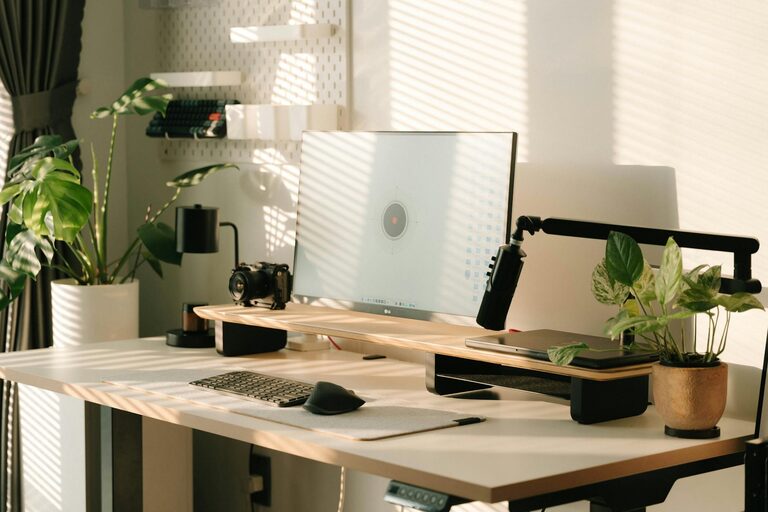
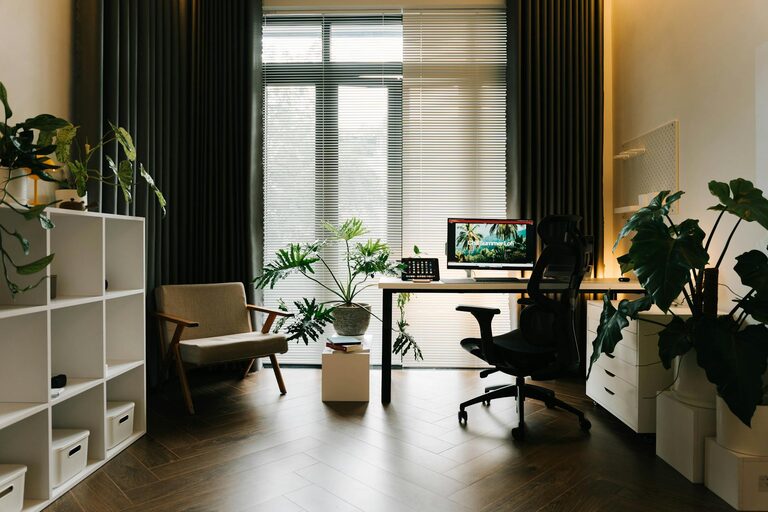
Natural light improves mood and energy, so try to position your desk near a window. If natural light is limited, opt for good quality artificial lighting that mimics daylight to reduce eye strain.
Invest in Comfortable Furniture
Ergonomic Chair
A supportive, adjustable chair is crucial for comfort during long hours of work. Look for one with lumbar support and adjustable height to keep your posture in check.
Desk Size and Height
Your desk should be big enough to hold your essentials without feeling cramped. The height should allow your arms to rest comfortably when typing or writing.
Personalize Your Space
Add Inspiring Decor
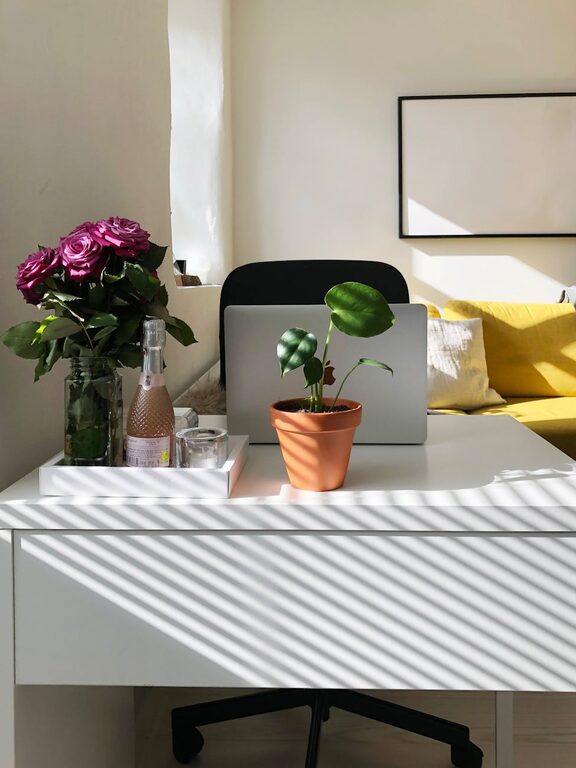
Incorporate items that make you feel happy and motivated. This could include artwork, photos, or plants. Choose colors that soothe you, such as soft blues, greens, or neutrals.
Use Textiles for Warmth
Adding a cozy rug, blanket, or cushions can make your workspace feel more inviting. These textures also help absorb sound and reduce echoes.
Organize Efficiently
Declutter Regularly
Keep your desk tidy by putting away items you don’t use daily. A clean surface allows you to focus better and feel less overwhelmed.
Use Storage Solutions
Drawers, shelves, or organizers help keep paperwork, office supplies, and electronics in order. Label containers to find things quickly.
Cable Management
Use clips, ties, or sleeves to keep cords neat and prevent tangles. This also makes your space safer and more attractive.
Incorporate Technology Thoughtfully
Quality Equipment
Invest in a reliable computer, keyboard, and mouse to improve comfort and productivity. Consider a second monitor if your work requires multitasking.
Minimize Distractions
Turn off non-urgent notifications during work hours. Use apps or settings to block distracting websites if necessary.
Enhance Comfort and Wellbeing
Maintain Good Air Quality
Keep your workspace well-ventilated. Consider using an air purifier or indoor plants that can improve air quality and add freshness.
Take Breaks and Move
Set timers to remind yourself to stand, stretch, or take short walks. Comfort isn’t just about furniture—it’s about how you use the space too.
Temperature Control
Ensure your workspace is neither too hot nor too cold. Use fans, heaters, or layers of clothing to stay comfortable throughout the day.
Lighting Tips for Productivity and Ambience
Task Lighting
A good desk lamp with adjustable brightness helps reduce eye strain when working late or in low light.
Ambient Lighting
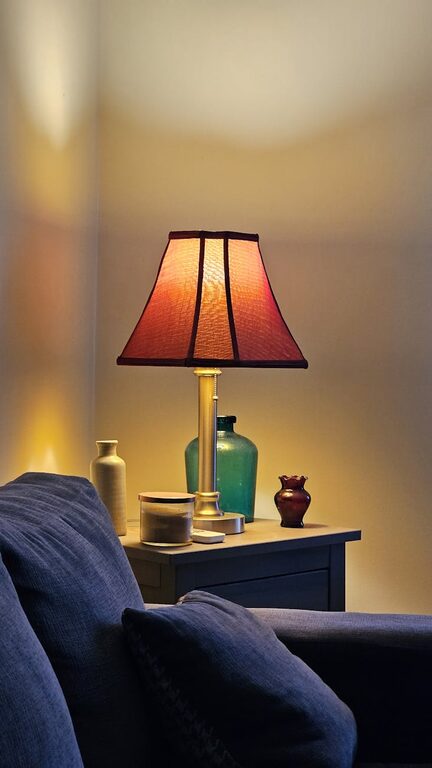
Soft ambient lighting can create a relaxed atmosphere that makes the workspace more pleasant during breaks or brainstorming sessions.
Create Boundaries Between Work and Home Life
Use Physical Dividers
If possible, use screens, shelves, or curtains to separate your workspace from living areas. This helps create a mental distinction between work and relaxation zones.
Keep Work Materials in One Spot
Having a dedicated area for work tools and papers avoids spillover into personal spaces and helps you “leave work” at the end of the day.
Final Thoughts
Designing a cozy and inviting home workspace is all about balancing comfort, functionality, and personal touches. By selecting the right location, investing in ergonomic furniture, adding inspiring decor, and keeping organized, you set yourself up for success and well-being. Remember, your workspace should serve you, so don’t hesitate to adjust and personalize it until it feels just right.
Start small with one or two changes and gradually refine your home office. With time, you’ll enjoy a productive and pleasant work environment that supports your goals and lifestyle.
About the Author